Buying contaminated land in the United States came with an automatic risk until 2002: under CERCLA — the Comprehensive Environmental Response, Compensation, and Liability Act of 1980, also known as Superfund — current owners of contaminated property were strictly, jointly, and severally liable for cleanup costs, regardless of whether they caused the contamination. The Small Business Liability Relief and Brownfields Revitalization Act of 2002 (the "Brownfields Amendments") changed that by creating three liability protections: Bona Fide Prospective Purchaser (BFPP), Contiguous Property Owner, and Innocent Landowner. Together with the All Appropriate Inquiries (AAI) rule, these protections are what make brownfield redevelopment financeable.
Every state brownfield program in the Mid-Atlantic — PA Act 2, NJ SRRA/ISRA, VA VRP, MD VCP, Delaware Brownfield — works inside this federal framework. If a party qualifies for CERCLA BFPP status at the federal level, they have federal immunity from Superfund liability; state liability protections typically follow a similar structure but are separate grants.
The Brownfields Amendments (P.L. 107-118) codified three liability defenses to CERCLA § 107(a) at 42 U.S.C. § 9601(40) (BFPP), § 9607(q) (Contiguous Property Owner), and § 9601(35) (Innocent Landowner). They also created the EPA Brownfields Grants program (assessment, cleanup, revolving loan funds) that states use to co-fund municipal and non-profit brownfield cleanup.
The BFPP defense — 42 U.S.C. § 9601(40) — applies to a person who acquires ownership after January 11, 2002 and can establish all of the following:
Meeting all eight criteria establishes BFPP status. The protection is against federal CERCLA liability — it does not automatically protect against state cleanup claims or third-party toxic-tort liability, though most state programs have analogous protections.
The Contiguous Property Owner protection — 42 U.S.C. § 9607(q) — applies when contamination migrates onto a property from an adjacent property. The landowner avoids CERCLA liability by:
This protection is designed for neighbors of contaminated sites — a property that is "downgradient" of a contaminated parcel where groundwater or vapor has migrated onto the property.
The Innocent Landowner defense — 42 U.S.C. § 9601(35) — is the oldest of the three and pre-dates the 2002 amendments. It protects owners who:
The Innocent Landowner defense is narrower than BFPP because it requires actual ignorance of contamination at acquisition. BFPP allows knowledge of contamination as long as post-acquisition requirements are met. BFPP is the workhorse for redevelopment; Innocent Landowner covers circumstances (inherited property, gift, pre-knowledge-era acquisitions) where knowledge was absent.
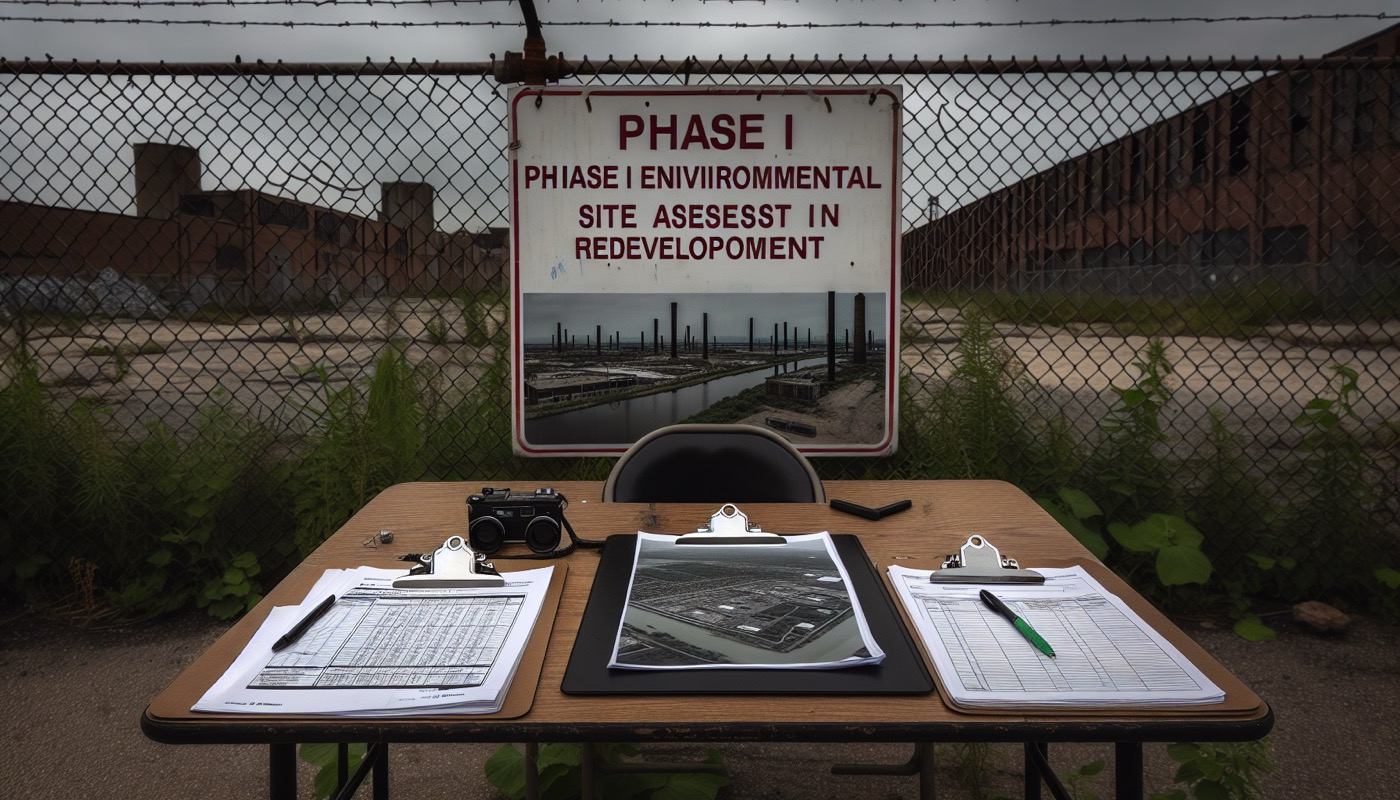
All three defenses require All Appropriate Inquiries. AAI is the federal standard for the pre-acquisition environmental due diligence. The AAI Rule is at 40 CFR Part 312.
AAI can be satisfied by either of two methods:
Compliance with the current ASTM Standard Practice for Phase I Environmental Site Assessments — ASTM E1527-21 (2021 edition) — satisfies AAI. ASTM E1527 specifies:
The report must be signed by a qualified Environmental Professional. The AAI inquiry must be completed within one year of acquisition, with certain elements (site visit, records search, interviews, declaration) within 180 days.
An alternative to ASTM E1527 is direct compliance with the procedural criteria in the AAI Rule. In practice, most purchasers use ASTM E1527 because it is widely understood, insurable, and the AAI rule expressly incorporates it as a safe harbor.
BFPP, Contiguous Property Owner, and Innocent Landowner status is not a one-time event. Maintaining the defense requires ongoing compliance with continuing obligations:
A lapse in any continuing obligation can undo BFPP status and expose the owner to CERCLA liability. Management practices on site — worker training, incident reporting, maintenance of engineering controls — become defensive infrastructure.
EPA can issue Comfort Letters / Status Letters providing informal guidance on whether a party likely qualifies for a CERCLA liability defense. These are not formal determinations and are not legally binding, but they provide documentation useful to lenders, insurers, and investors. EPA's Office of Site Remediation Enforcement publishes model comfort letter formats.
Each Mid-Atlantic state brownfield program provides state-level liability protections that typically parallel but do not duplicate CERCLA's:
Redevelopment projects typically pursue both federal BFPP (at the federal level, automatic if criteria are met) and state liability protection (through the state program's completion document). The two together produce the full liability shield that finance requires.
AAI / Phase I is records and observation-based — it does not include soil or groundwater sampling. A Phase I identifies RECs; a Phase II Environmental Site Assessment confirms or refutes the RECs through sampling.
AAI does not require Phase II. But a Phase I that identifies RECs puts the purchaser on notice; proceeding without Phase II investigation may compromise the "reasonable steps" continuing obligation. Typical Mid-Atlantic brownfield acquisitions run Phase I before closing, Phase II before construction, and remediation / RAO / VCP-completion during or after construction.
Three practical rules:
For every brownfield, gas station redevelopment, former dry cleaner, rail yard, or old industrial parcel in the Mid-Atlantic, the federal liability framework is the architecture of the transaction. Tax equity, construction lenders, title insurers, and environmental insurance carriers all structure their coverage around BFPP and the state completion document.
Primary sources for this essay: CERCLA (42 U.S.C. § 9601 et seq.); Small Business Liability Relief and Brownfields Revitalization Act of 2002 (P.L. 107-118); 42 U.S.C. §§ 9601(35), 9601(40), 9607(q); 40 CFR Part 312 (All Appropriate Inquiries Rule); ASTM E1527-21 Standard Practice for Phase I Environmental Site Assessments; EPA Office of Site Remediation Enforcement guidance (Common Elements Guidance, Interim Guidance on Reasonable Steps, Interim Model Bona Fide Prospective Purchaser Agreement). The EPA Brownfields Program (Office of Land and Emergency Management) publishes practitioner-facing guidance.