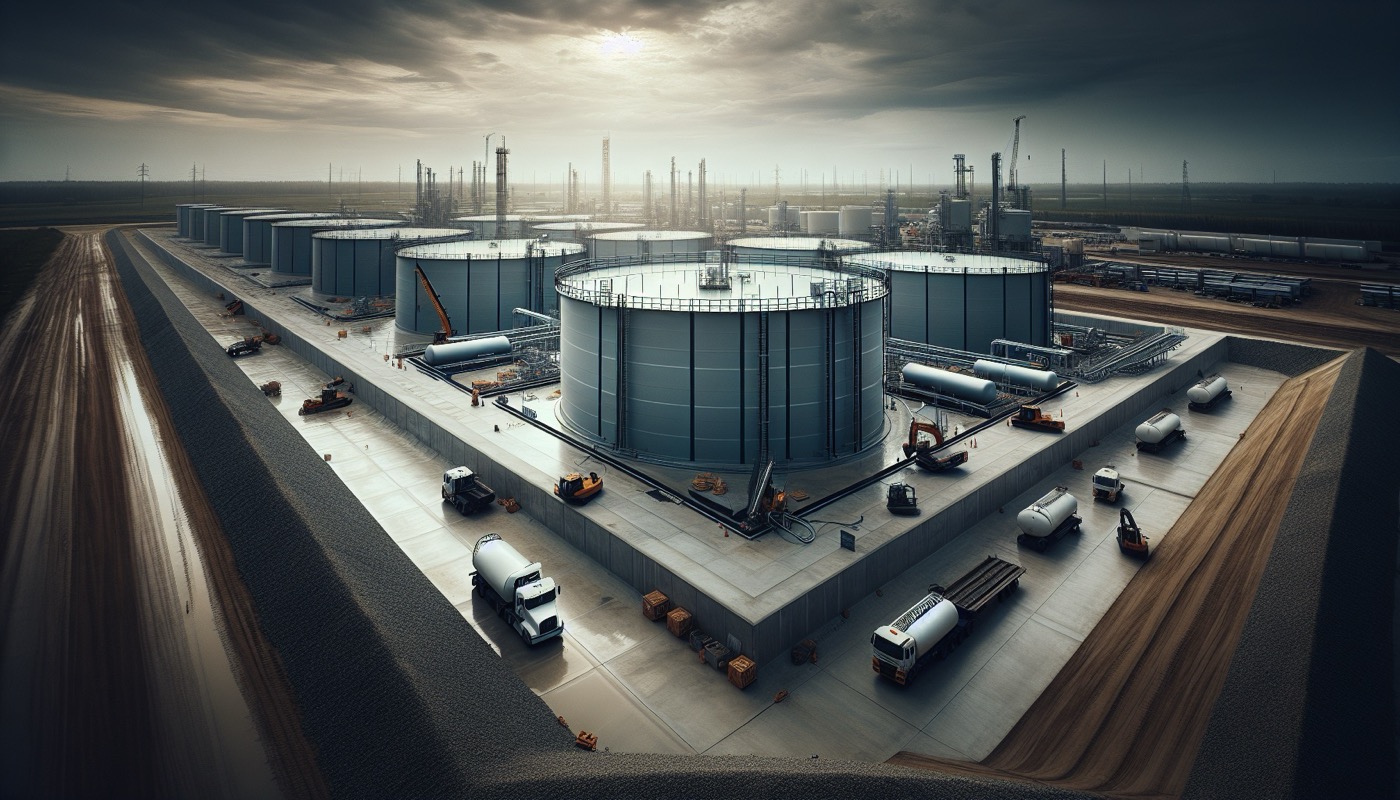
Any facility that stores 1,320 gallons or more of oil in aboveground containers at a single location — and that could reasonably discharge oil into waters of the United States — is subject to EPA's Spill Prevention, Control, and Countermeasure (SPCC) Rule at 40 CFR Part 112. For construction sites with diesel generators, fuel bowsers, hydraulic fluid drums, and lubricant containers, this threshold is commonly exceeded. For data centers with large diesel-backup generator farms, SPCC is a routine operating obligation. This essay covers the framework.
SPCC is promulgated under the Clean Water Act § 311 (33 U.S.C. § 1321). The Rule is separate from — but complementary to — OSHA workplace safety, NPDES discharge regulation, and state oil / hazardous substance cleanup rules. It is one of the most broadly-applicable federal environmental rules on construction and industrial facilities.
The SPCC Rule applies to any non-transportation-related facility that:
"Oil" is defined broadly — petroleum (gasoline, diesel, motor oil, fuel oil, hydraulic oil, lubricants), animal fats, vegetable oils, and other non-petroleum oils. The 1,320-gallon aggregation rule means even small individual containers count if they sum above the threshold.
"Reasonably could discharge" is interpreted broadly. Distance to surface water, existing containment, drainage patterns, and terrain all factor in. Most facilities conservatively assume applicability rather than attempt a site-specific discharge-potential argument.
SPCC divides covered facilities into two tiers based on size and history:
Aboveground oil storage of 10,000 gallons or less aggregate, no single container exceeding 5,000 gallons, and no reportable discharge history (no single discharge exceeding 1,000 gallons to navigable waters, and no two discharges exceeding 42 gallons each within 12 months in the last three years). A Tier I Qualified Facility may use a self-certified Tier I SPCC Plan template (Appendix G to 40 CFR Part 112).
Aboveground oil storage 10,000 gallons or less aggregate but exceeding Tier I single-container limits or with more complex configurations, also without reportable discharge history. A Tier II Qualified Facility may self-certify an SPCC Plan meeting the standard 40 CFR Part 112 requirements — no PE certification required, but the plan still must cover the full substantive requirements.
Any facility exceeding 10,000 gallons aggregate aboveground oil storage, or with reportable discharge history, must have a Full SPCC Plan certified by a Professional Engineer. The PE must be qualified in the discipline relevant to the facility (petroleum, chemical, environmental) and must personally review and certify the plan.
For construction sites, the Tier I or Tier II template is usually sufficient. For data centers with large generator fuel inventories (often 100,000+ gallons aggregate), a PE-certified Full Plan is required.
Every SPCC Plan must address:
The Plan must be kept on site (or, for unattended facilities, at the nearest field office) and be available for EPA inspection.
The single most operational feature of SPCC is secondary containment. Requirements:
Mobile refueling on construction sites (fuel bowsers, "diesel wagons") may use active measures — trained personnel, spill response kits, absorbent booms at discharge points — as a "active containment" alternative to passive secondary containment. The 2002/2008 amendments permit this flexibility.
Many construction sites exceed the 1,320-gallon threshold through the combination of:
For a construction site, SPCC applies while the site is operational — during construction — and ceases to apply when the site permanently demobilizes. An "operating construction site" SPCC Plan is typical. Some construction managers maintain a programmatic SPCC Plan that applies across multiple active sites.
Integration with the CGP SWPPP is common — both plans address stormwater and spill prevention, and an integrated document serves both.
Data centers with diesel-backup generator fleets often reach 100,000+ gallons aggregate oil storage. SPCC Plans for these facilities are Full Plans with PE certification. Secondary containment is typically reinforced-concrete generator pads or dry tanks with integrated containment. Hyperscale data-center operators maintain programmatic SPCC across campus locations.
A discharge of harmful quantity of oil (generally interpreted as any discharge that causes a sheen on navigable waters) must be reported immediately to the National Response Center. Discharges meeting reporting thresholds under 40 CFR § 112.4 (1,000+ gallons in a single discharge, or 42+ gallons on two occasions in 12 months) also trigger Regional EPA reporting with SPCC Plan review.
Enforcement is EPA Region-based. Common violations:
Penalties can reach statutory maxima under the Clean Water Act (currently over $65,000 per day per violation).
Several states have their own oil-storage regulations that add to or overlap SPCC:
State programs typically focus on aboveground storage tank (AST) and underground storage tank (UST) registration, construction standards, leak detection, and cleanup — complementing SPCC's spill-prevention focus.
Three practical rules:
SPCC is one of the most broadly-applicable EPA rules on construction and industrial sites. The Tier I / Tier II Qualified Facility templates make compliance manageable for most construction operations; larger facilities and data centers require PE-certified Full Plans.
Primary sources for this essay: 40 CFR Part 112 (SPCC Rule); Clean Water Act § 311 (33 U.S.C. § 1321); EPA's SPCC Guidance for Regional Inspectors; 2002 / 2008 / 2013 SPCC amendments; state aboveground and underground storage tank programs referenced above. EPA Office of Emergency Management maintains the SPCC program documentation.