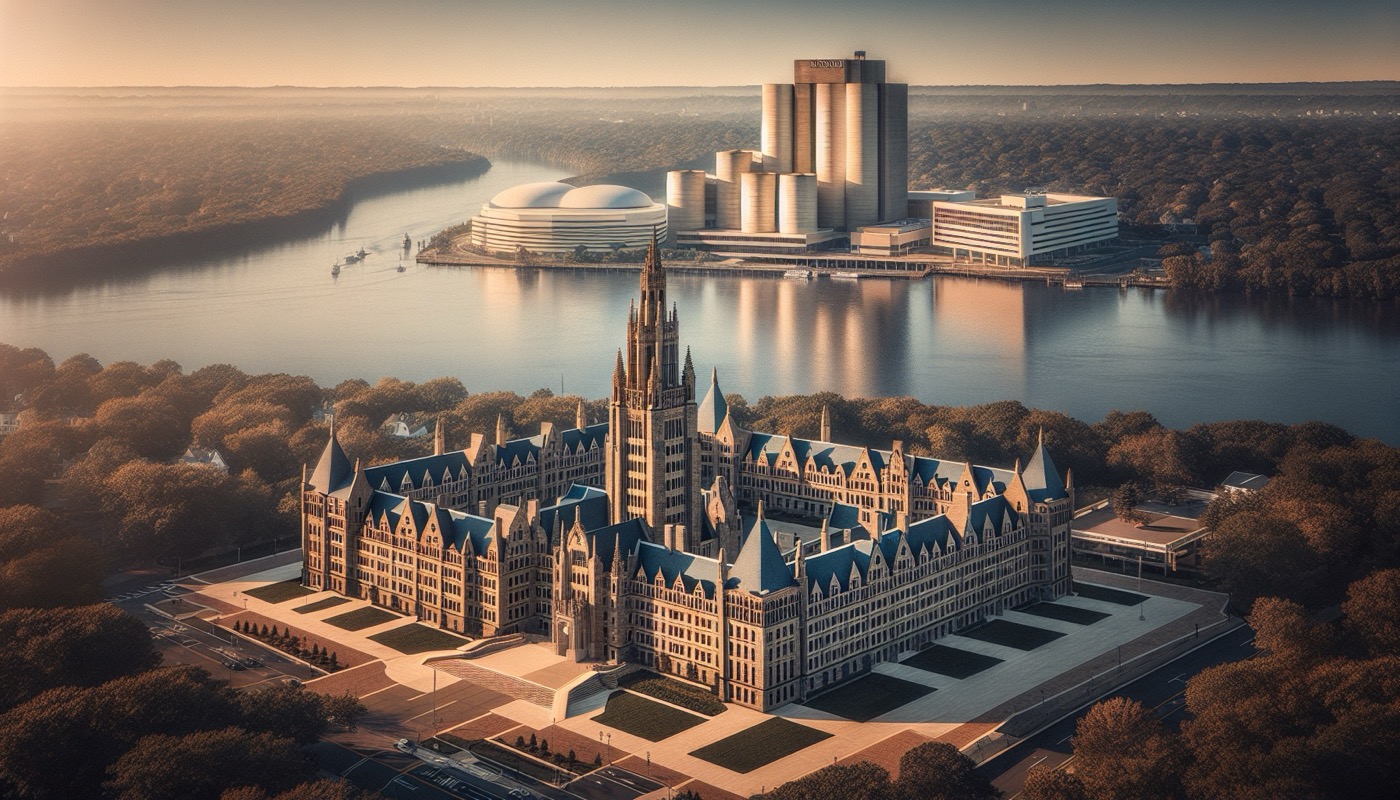
Middlesex County anchors central New Jersey's life-science and logistics economy — home to Rutgers University (New Brunswick / Piscataway), Johnson & Johnson global headquarters, Bristol Myers Squibb, the Route 1 pharmaceutical corridor, and the NJ Turnpike / I-287 / Edison / Woodbridge logistics hub. With 25 municipalities spanning New Brunswick's urban core to rural-edge townships and Raritan River waterfront redevelopment, the county's permit environment is dense and varied. Permitting runs through the NJ UCC framework with advisory review from the Middlesex County Planning Board.
Middlesex's 25 municipalities operate as separate UCC authorities. Each township, borough, or city has its own Construction Office and five subcode officials. Significant municipalities include New Brunswick, Edison, Woodbridge, Perth Amboy, Piscataway, East Brunswick, North Brunswick, Old Bridge, Sayreville, South Brunswick, and the boroughs along Route 1.
The Middlesex County Planning Board provides:
Route 1 through South Brunswick, North Brunswick, New Brunswick, and Edison hosts one of the East Coast's densest pharmaceutical and life-science clusters:
Life-science facility permitting involves specialized considerations — clean-room construction, laboratory ventilation, vivarium compliance, pharmaceutical GMP design alignment, and related. OSHA bloodborne pathogens and chemical hygiene considerations apply to operations.
New Brunswick — Middlesex's county seat — has pursued substantial downtown redevelopment through the New Brunswick Development Corporation (DEVCO) with mixed-use projects, hotel, medical (Robert Wood Johnson University Hospital), and academic expansion. Rutgers University-New Brunswick construction — academic, research, residential — bypasses municipal permits for university-owned facilities, following state university construction procedures, but adjacent private development faces campus-adjacent zoning and traffic considerations.
The NJ Turnpike / I-287 / Garden State Parkway network intersects Middlesex, making the county one of the nation's densest logistics / fulfillment submarkets. Major distribution, warehousing, and truck-terminal development in Edison, Woodbridge, Carteret, Perth Amboy, and Sayreville benefits from rail / port access (the Port of NY & NJ's Raritan Bay terminals).
Logistics project permitting considerations:
The Raritan River frontage — particularly Perth Amboy, South Amboy, Sayreville, Woodbridge (Carteret-adjacent) — hosted decades of heavy industrial activity (oil refining, chemical manufacturing, terminal operations). Redevelopment typically involves:
Sayreville EDC / Crossroads at Sayreville redevelopment and the Edgeboro Landfill reclamation (East Brunswick) are notable examples of large-scale brownfield redevelopment in the county.
NJ Transit Northeast Corridor (New Brunswick, Metropark, Metuchen, Edison, Rahway-adjacent) and North Jersey Coast Line (Perth Amboy, South Amboy) serve substantial commuter flows to NYC. TOD projects around stations receive priority planning support.
See our NJ Highlands / Pinelands essay.
Three practical rules for Middlesex:
Middlesex's combination of life-science research density, logistics muscle, university-adjacent development, and post-industrial redevelopment produces one of NJ's most intensely-regulated and high-value construction markets.
Primary sources for this essay: NJ UCC (N.J.S.A. 52:27D-119 et seq.); NJ Municipal Land Use Law (N.J.S.A. 40:55D); Coastal Area Facility Review Act (N.J.S.A. 13:19-1 et seq.); NJ Site Remediation Reform Act; NJ Highlands Water Protection and Planning Act / Pinelands Protection Act; individual municipal zoning ordinances. Middlesex County Planning Board, NJDEP, NJDOT, and municipal departments are the agency resources.